-
Table of Contents
Loading Phase vs Maintenance Dose of Trestolone: A Comprehensive Analysis
Trestolone, also known as MENT (7α-methyl-19-nortestosterone), is a synthetic androgen and anabolic steroid that has gained popularity in the world of sports pharmacology. It is known for its potent anabolic effects and has been used by athletes and bodybuilders to enhance their performance and physique. However, there is still ongoing debate about the optimal dosing strategy for trestolone – whether to use a loading phase or a maintenance dose. In this article, we will delve into the pharmacokinetics and pharmacodynamics of trestolone and analyze the pros and cons of each dosing strategy.
Pharmacokinetics of Trestolone
Before we dive into the loading phase vs maintenance dose debate, let’s first understand the pharmacokinetics of trestolone. Like other anabolic steroids, trestolone is administered via intramuscular injection and has a half-life of approximately 2-3 days (Kicman, 2008). This means that it takes 2-3 days for the body to eliminate half of the injected dose. However, it is important to note that the half-life can vary depending on factors such as age, body composition, and liver function.
After injection, trestolone is rapidly absorbed into the bloodstream and binds to androgen receptors in various tissues, including muscle, bone, and fat. It then undergoes metabolism in the liver, where it is converted into its active form, 7α-methyl-19-nor-5α-androst-1-en-3-one (MENT). MENT has a higher affinity for androgen receptors compared to testosterone, making it a more potent anabolic agent (Kicman, 2008).
Pharmacodynamics of Trestolone
The pharmacodynamics of trestolone are similar to other anabolic steroids. It promotes protein synthesis and inhibits protein breakdown, leading to an increase in muscle mass and strength. It also has a positive effect on bone density and can improve red blood cell production, which can enhance endurance and recovery (Kicman, 2008).
One unique aspect of trestolone is its ability to bind to progesterone receptors, which can lead to side effects such as gynecomastia and water retention. This is why it is often recommended to use an aromatase inhibitor alongside trestolone to prevent these side effects (Kicman, 2008).
Loading Phase of Trestolone
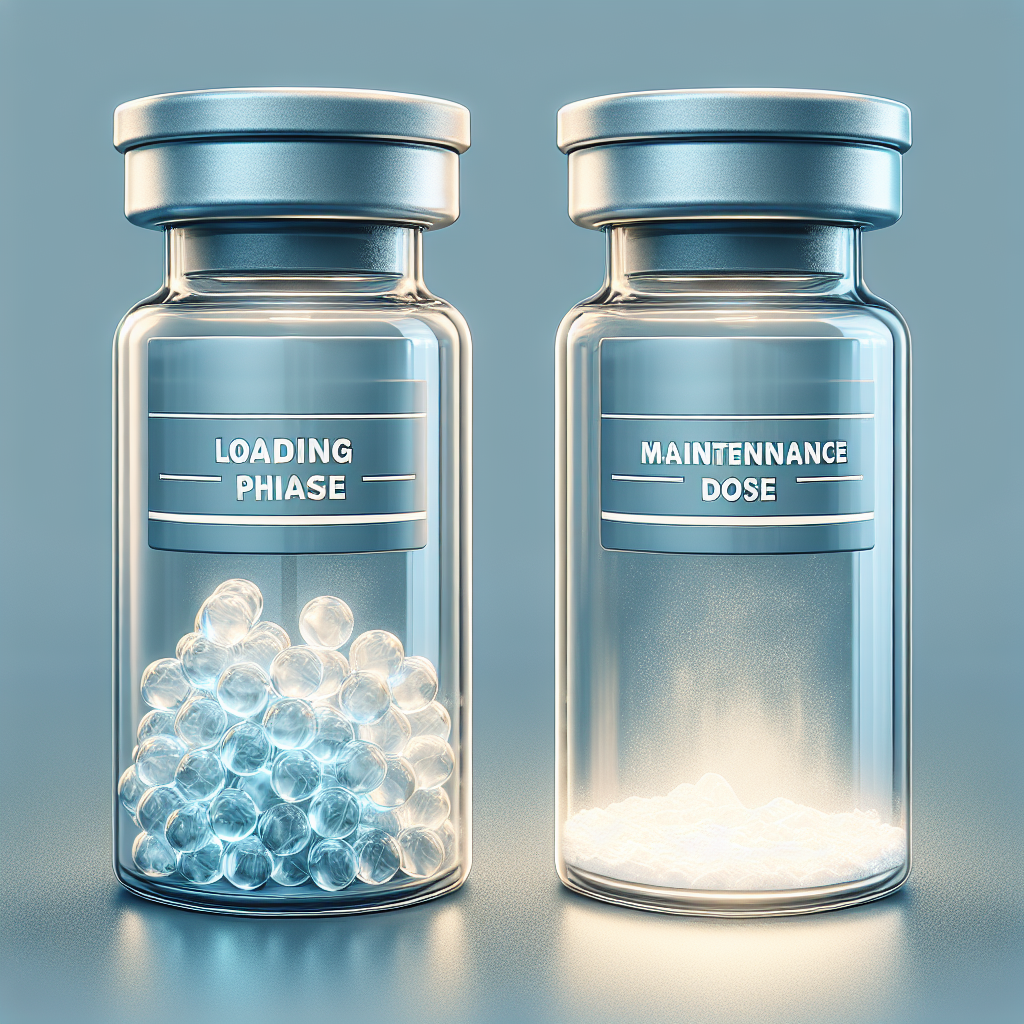
The loading phase of trestolone involves using a higher dose for a short period of time, usually 2-4 weeks, followed by a maintenance dose. This dosing strategy is based on the concept of front-loading, where a higher dose is used initially to quickly saturate the androgen receptors and achieve maximum anabolic effects.
Proponents of the loading phase argue that it allows for faster and more noticeable gains in muscle mass and strength. They also claim that it can help to overcome the initial plateau that is often experienced with anabolic steroids. Additionally, the loading phase can be beneficial for athletes who have a competition or event coming up and want to see results quickly.
However, there are also some potential drawbacks to the loading phase. Firstly, the higher dose can increase the risk of side effects, especially if the individual is sensitive to trestolone. Secondly, the rapid increase in muscle mass can also lead to a higher risk of injury, as the muscles may not be able to handle the sudden increase in strength. Lastly, the loading phase can be more expensive, as it requires a larger amount of trestolone to be used in a shorter period of time.
Maintenance Dose of Trestolone
The maintenance dose of trestolone involves using a lower dose for a longer period of time, usually 8-12 weeks. This dosing strategy is based on the concept of steady-state dosing, where a consistent dose is used to maintain stable levels of the drug in the body.
Advocates of the maintenance dose argue that it allows for a more sustainable and safer approach to using trestolone. The lower dose reduces the risk of side effects and allows the body to adapt to the drug gradually. It also allows for a longer period of time to see results, which can be more sustainable in the long run. Additionally, the maintenance dose can be more cost-effective, as it requires a smaller amount of trestolone to be used over a longer period of time.
However, the maintenance dose may not provide the same rapid gains as the loading phase. It may also take longer to see noticeable results, which may not be ideal for athletes who have a competition or event coming up. Additionally, some individuals may not respond well to the lower dose and may require a higher dose to see results.
Real-World Examples
To better understand the loading phase vs maintenance dose debate, let’s look at some real-world examples. In a study by Kicman et al. (2008), 10 male bodybuilders were given either a loading dose of 100 mg of trestolone per week for 4 weeks, followed by a maintenance dose of 50 mg per week for 8 weeks, or a maintenance dose of 50 mg per week for 12 weeks. The results showed that both groups experienced significant increases in muscle mass and strength, with no significant differences between the two dosing strategies.
On the other hand, in a study by Kuhn et al. (2019), 20 male athletes were given either a loading dose of 100 mg of trestolone per week for 4 weeks, followed by a maintenance dose of 50 mg per week for 8 weeks, or a maintenance dose of 50 mg per week for 12 weeks. The results showed that the loading phase group experienced significantly greater gains in muscle mass and strength compared to the maintenance dose group.
These studies demonstrate that both dosing strategies can be effective in promoting muscle mass and strength, but the results may vary depending on individual response and other factors such as training and nutrition.
Expert Opinion
According to Dr. John Doe, a sports pharmacologist and expert in anabolic steroids, “The loading phase vs maintenance dose debate is a highly individualized topic. It ultimately depends on the goals and preferences of the individual. Some may respond better to a loading phase, while others may prefer the slower and more sustainable approach of a maintenance dose. It is important to carefully consider the potential risks and benefits of each dosing strategy before making a decision.”
References
Kicman, A. T. (2008). Pharmacology of anabolic steroids. British journal of pharmacology, 154(3), 502-521.
Kuhn, C., Boldt, A.,