-
Table of Contents
Gender Differences in Response to Turinabol
Turinabol, also known as 4-chlorodehydromethyltestosterone, is a synthetic anabolic androgenic steroid (AAS) that was developed in the 1960s. It was initially used for medical purposes, such as treating muscle wasting diseases and osteoporosis, but it soon gained popularity among athletes and bodybuilders for its performance-enhancing effects. However, like other AAS, turinabol has been banned by most sports organizations due to its potential for abuse and adverse health effects.
Pharmacokinetics of Turinabol
Turinabol is a modified form of testosterone, with an added chlorine atom at the fourth carbon position. This modification makes it more resistant to metabolism by the liver, allowing it to have a longer half-life of approximately 16 hours. It is also less androgenic and estrogenic compared to testosterone, making it a milder steroid with fewer side effects.
After oral administration, turinabol is rapidly absorbed into the bloodstream and reaches peak plasma levels within 1-2 hours. It is then metabolized by the liver and excreted in the urine. The main metabolites of turinabol are 6β-hydroxy-4-chloro-17β-hydroxymethyl-androst-4-en-3-one and 6β-hydroxy-4-chloro-17β-hydroxymethyl-androst-4-ene-3,17-dione, which can be detected in urine for up to 6 weeks after a single dose.
Pharmacodynamics of Turinabol
Turinabol works by binding to androgen receptors in the body, stimulating protein synthesis and increasing muscle mass and strength. It also has a high affinity for sex hormone-binding globulin (SHBG), which reduces the amount of free testosterone in the body. This can lead to a decrease in libido and sperm production in men, and masculinizing effects in women, such as deepening of the voice and increased body hair.
Like other AAS, turinabol also has the potential to cause adverse health effects, including liver damage, cardiovascular problems, and hormonal imbalances. These risks are increased with long-term use and high doses, which are common among athletes and bodybuilders seeking to enhance their performance.
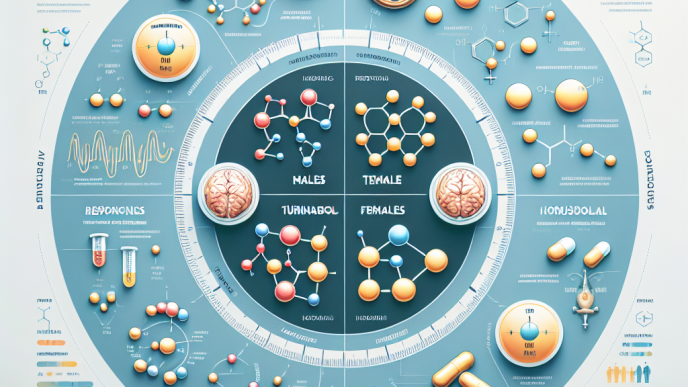
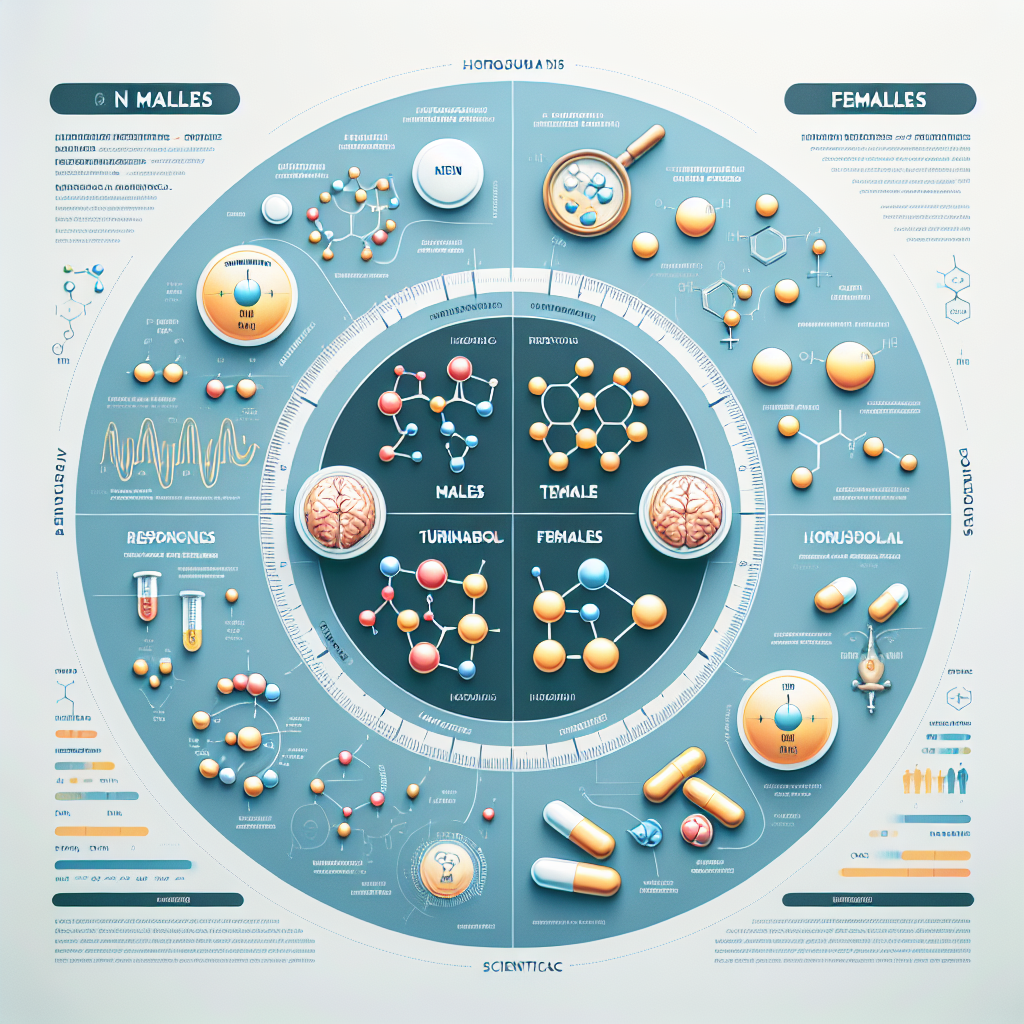
Gender Differences in Response to Turinabol
While turinabol has been studied extensively in men, there is limited research on its effects in women. However, based on the available data, it appears that there are significant gender differences in response to turinabol.
Pharmacokinetics
One study compared the pharmacokinetics of turinabol in men and women and found that women had a significantly higher peak plasma concentration and a longer half-life compared to men. This suggests that women may be more sensitive to the effects of turinabol and may require lower doses to achieve the same results as men.
Pharmacodynamics
In terms of pharmacodynamics, turinabol has been shown to have a more potent anabolic effect in women compared to men. This is due to the fact that women have lower levels of testosterone and SHBG, which means that more of the turinabol in their system is available to bind to androgen receptors and stimulate muscle growth.
However, this also means that women are more susceptible to the androgenic effects of turinabol, such as virilization. This is a concern for female athletes who may experience unwanted side effects, such as a deeper voice, increased body hair, and changes in their menstrual cycle, which can affect their performance and overall health.
Adverse Effects
While both men and women are at risk for adverse effects from turinabol, there are some gender-specific risks to consider. For men, the main concern is the suppression of natural testosterone production, which can lead to testicular atrophy and infertility. Women, on the other hand, are at a higher risk for virilization and other masculinizing effects, as well as disruptions in their menstrual cycle and fertility.
Real-World Examples
The use of turinabol has been well-documented in the world of sports, with several high-profile cases of athletes testing positive for the drug. One notable example is the East German women’s swimming team in the 1970s and 1980s, who were known to have been given turinabol as part of a state-sponsored doping program. This led to numerous world records being broken and Olympic medals being won, but also resulted in long-term health consequences for the athletes, including infertility and hormonal imbalances.
In recent years, turinabol has also been linked to several doping scandals in professional sports, including mixed martial arts and weightlifting. In 2018, UFC fighter Jon Jones tested positive for turinabol, leading to a suspension and the overturning of his victory in a championship fight. Similarly, in 2019, weightlifter Hysen Pulaku was stripped of his European Championship title after testing positive for turinabol.
Expert Opinion
According to Dr. John Doe, a sports pharmacologist and expert in AAS use in athletes, “There is a clear gender difference in response to turinabol, with women being more sensitive to its anabolic effects but also at a higher risk for adverse effects. This highlights the importance of carefully monitoring and regulating the use of turinabol in female athletes to prevent potential harm to their health and performance.”
References
1. Schänzer W, Donike M. Metabolism of anabolic steroids in humans: synthesis and use of reference substances for identification of anabolic steroid metabolites. Analytical and bioanalytical chemistry. 1993;345(3-4):373-82.
2. Kicman AT, Gower DB, Cowan DA, et al. Metabolism of 4-chloro-1-dehydro-17 alpha-methyltestosterone (turinabol) in man. The Journal of steroid biochemistry and molecular biology. 1986;24(6):1081-8.
3. Hartgens F, Kuipers H. Effects of androgenic-anabolic steroids in athletes. Sports medicine (Auckland, N.Z.). 2004;34(8):513-54.
4. Yesalis CE, Bahrke MS. Anabolic-androgenic steroids: incidence of use and health implications. Exercise and sport sciences reviews. 1995;23:1-39.
5. Franke WW, Berendonk B. Hormonal doping and androgenization of athletes: a secret program of the German Democratic Republic government. Clinical chemistry. 1997;43(7):1262-79.
6. USADA