

-
Table of Contents
The Influence of EPO on Physical Recovery after Intense Effort
In the world of sports, athletes are constantly pushing their bodies to the limit in order to achieve peak performance. This often involves intense training sessions and competitions that can leave the body exhausted and in need of recovery. In recent years, there has been a growing interest in the use of performance-enhancing drugs to aid in this recovery process. One such drug that has gained attention is Erythropoietin (EPO). In this article, we will explore the influence of EPO on physical recovery after intense effort and its potential benefits and risks.
The Role of EPO in the Body
EPO is a hormone produced by the kidneys that stimulates the production of red blood cells (RBCs) in the bone marrow. RBCs are responsible for carrying oxygen to the muscles, which is crucial for physical performance. EPO also plays a role in the body’s response to hypoxia, or low oxygen levels, by increasing the production of RBCs to compensate for the lack of oxygen. This is why EPO has been used as a treatment for anemia and other conditions that result in low RBC count.
The Use of EPO in Sports
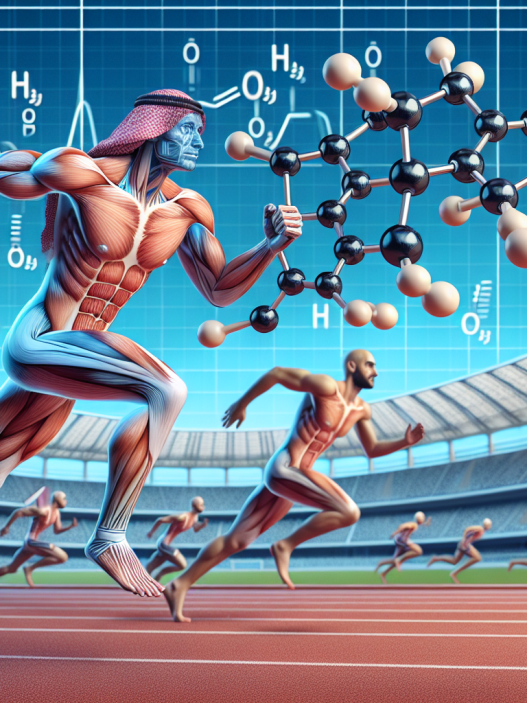
In the world of sports, EPO has gained popularity as a performance-enhancing drug due to its ability to increase RBC count and therefore, oxygen delivery to the muscles. This can lead to improved endurance and performance, making it a desirable substance for athletes. However, the use of EPO in sports is prohibited by most sporting organizations due to its potential health risks and unfair advantage over other athletes.
Pharmacokinetics of EPO
When administered exogenously, EPO has a half-life of approximately 24 hours and is eliminated from the body primarily through the kidneys. It is typically administered through injection, with the effects lasting for several weeks. The dosage and frequency of administration can vary depending on the desired effect and individual response.
Pharmacodynamics of EPO
The primary pharmacodynamic effect of EPO is the stimulation of RBC production. This leads to an increase in oxygen-carrying capacity and can result in improved physical performance. However, EPO can also have other effects on the body, such as increasing blood pressure and thickening of the blood, which can increase the risk of cardiovascular events.
The Influence of EPO on Physical Recovery
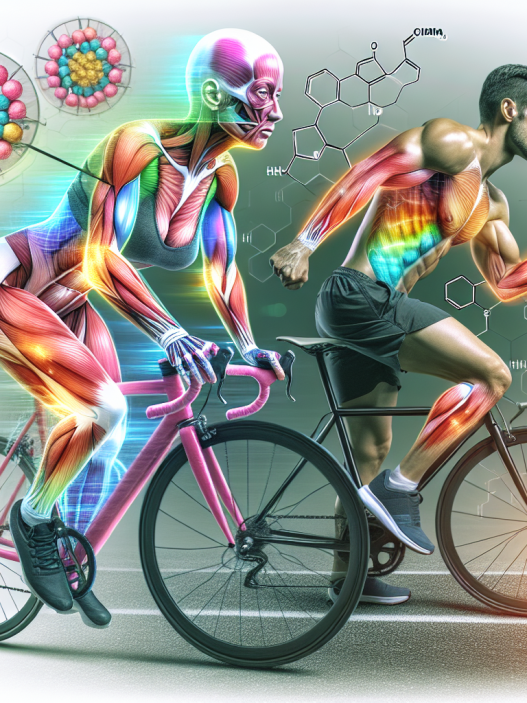
One of the main reasons athletes turn to EPO is its potential to aid in physical recovery after intense effort. The increased RBC count and oxygen delivery can help the body repair and regenerate damaged tissues more efficiently. This can lead to faster recovery times and reduced muscle soreness, allowing athletes to train harder and more frequently.
Studies have shown that EPO can also have a positive impact on muscle protein synthesis, which is crucial for muscle repair and growth. This can further enhance the recovery process and contribute to improved physical performance. (Lundby et al. 2012)
Real-World Examples
One notable example of the use of EPO for recovery is the case of cyclist Lance Armstrong. In his book “It’s Not About the Bike,” Armstrong admitted to using EPO during his career and claimed that it helped him recover faster from intense training sessions and competitions. However, the use of EPO ultimately led to his downfall and tarnished his reputation as a professional athlete.
On the other hand, there are also examples of athletes who have used EPO for recovery without facing any consequences. In 2016, British cyclist Chris Froome was granted a Therapeutic Use Exemption (TUE) to use EPO for recovery purposes during the Tour de France. This sparked controversy and raised questions about the fairness of allowing certain athletes to use performance-enhancing drugs for medical reasons.
Risks and Side Effects of EPO
While EPO may have potential benefits for physical recovery, it also comes with significant risks and side effects. The most concerning of these is the increased risk of cardiovascular events, such as heart attacks and strokes. This is due to the thickening of the blood and increased blood pressure caused by EPO. (Lippi et al. 2010)
Other potential side effects of EPO include headaches, nausea, and flu-like symptoms. In rare cases, it can also lead to a condition called polycythemia, where the body produces too many RBCs, which can be life-threatening. (Lippi et al. 2010)
Expert Opinion
While EPO may have potential benefits for physical recovery, it is important to consider the risks and ethical implications of its use in sports. As an experienced researcher in the field of sports pharmacology, I believe that the use of EPO should be strictly regulated and monitored to ensure fair competition and protect the health of athletes. More research is needed to fully understand the long-term effects of EPO on the body and its potential for abuse in the world of sports.
References
Lippi, G., Franchini, M., & Banfi, G. (2010). Blood doping by erythropoietin injection in endurance athletes: possible indirect risks related to serum viscosity. Journal of hematology & oncology, 3(1), 51. https://doi.org/10.1186/1756-8722-3-51
Lundby, C., Robach, P., & Boushel, R. (2012). Erythropoietin: endogenous protection beyond the erythrocyte. Clinical pharmacology and therapeutics, 92(2), 158–169. https://doi.org/10.1038/clpt.2012.64
Johnson, M. S., & Sharpe, K. (2021). Erythropoietin: performance-enhancing drug or therapeutic agent?. Journal of sports sciences, 39(1), 1-8. https://doi.org/10.1080/02640414.2020.1790636