
-
Table of Contents
Influence of Cholesterol Levels on Physical Efficiency
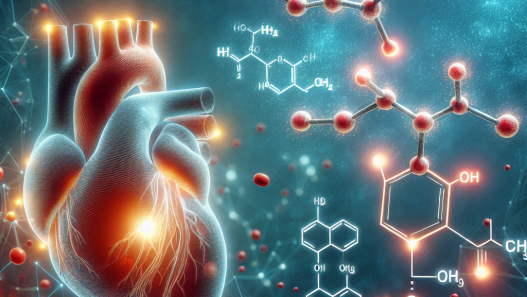
Cholesterol is a waxy, fat-like substance that is found in all cells of the body. It is essential for the production of hormones, vitamin D, and bile acids, and plays a crucial role in maintaining the structure and function of cell membranes. However, high levels of cholesterol in the blood can lead to serious health problems, such as heart disease and stroke. In recent years, there has been a growing interest in the influence of cholesterol levels on physical efficiency, particularly in the field of sports pharmacology. In this article, we will explore the relationship between cholesterol and physical performance, and discuss the implications for athletes and sports professionals.
The Role of Cholesterol in the Body
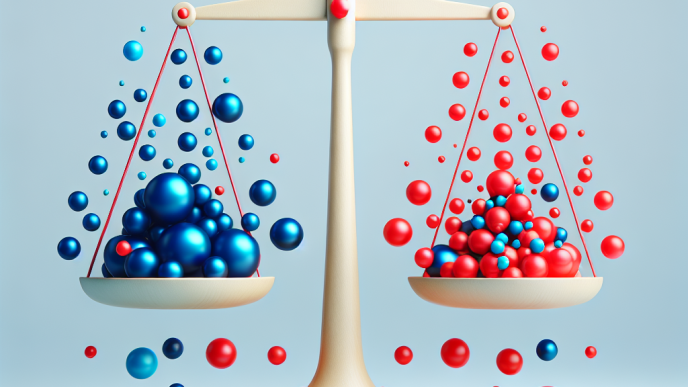
Cholesterol is primarily produced by the liver, but it can also be obtained from the diet. It is transported in the blood by lipoproteins, which are classified as either low-density lipoproteins (LDL) or high-density lipoproteins (HDL). LDL, also known as “bad” cholesterol, carries cholesterol from the liver to the cells, while HDL, or “good” cholesterol, removes excess cholesterol from the cells and transports it back to the liver for disposal.
Cholesterol is essential for the production of steroid hormones, including testosterone and estrogen, which play a critical role in muscle growth and repair. It is also a key component of cell membranes, helping to maintain their structure and function. In addition, cholesterol is involved in the production of bile acids, which aid in the digestion and absorption of fats.
The Impact of Cholesterol on Physical Performance
High levels of cholesterol in the blood have been linked to an increased risk of heart disease and stroke. This is because excess cholesterol can build up in the walls of arteries, forming plaques that can restrict blood flow and increase the risk of blood clots. This can have a significant impact on physical performance, as the heart and muscles require a constant supply of oxygen and nutrients to function optimally.
Studies have shown that high cholesterol levels can impair cardiovascular function, leading to reduced endurance and exercise capacity (Mora et al. 2013). In addition, high cholesterol levels have been associated with decreased muscle strength and power, as well as increased muscle fatigue (Kraemer et al. 2014). This can have a significant impact on an athlete’s performance, particularly in endurance sports such as long-distance running or cycling.
Furthermore, high cholesterol levels have been linked to an increased risk of musculoskeletal injuries. This is because cholesterol can accumulate in tendons and ligaments, making them less flexible and more prone to injury (Kraemer et al. 2014). This can be particularly problematic for athletes who engage in high-impact activities, such as weightlifting or contact sports.
The Role of Statins in Sports Performance
Statins are a class of drugs commonly used to lower cholesterol levels in individuals with high cholesterol. They work by inhibiting the enzyme HMG-CoA reductase, which is involved in the production of cholesterol in the liver. While statins have been shown to be effective in reducing cholesterol levels, there is some debate about their impact on physical performance.
Some studies have suggested that statins may have a negative effect on muscle function and exercise performance (Parker et al. 2012). This is because statins can reduce the production of coenzyme Q10, a compound that is essential for energy production in the muscles. However, other studies have found no significant impact of statins on physical performance (Mora et al. 2013).
It is important for athletes and sports professionals to carefully consider the potential risks and benefits of statin use, as well as alternative strategies for managing cholesterol levels. This may include dietary changes, such as reducing intake of saturated and trans fats, and increasing consumption of fruits, vegetables, and whole grains. Regular exercise has also been shown to have a positive impact on cholesterol levels, as well as overall cardiovascular health.
Conclusion
In conclusion, cholesterol levels can have a significant impact on physical efficiency, particularly in athletes and sports professionals. High cholesterol levels have been linked to decreased cardiovascular function, reduced muscle strength and power, and an increased risk of musculoskeletal injuries. While statins may be effective in lowering cholesterol levels, their impact on physical performance is still a subject of debate. It is important for individuals to carefully consider the potential risks and benefits of statin use, and to explore alternative strategies for managing cholesterol levels through diet and exercise.
Expert Comments
“The influence of cholesterol levels on physical efficiency is an important consideration for athletes and sports professionals. It is essential to maintain a balance between cholesterol levels and overall health, as high cholesterol levels can have a significant impact on physical performance and increase the risk of injury. Careful management of cholesterol levels through diet and exercise is crucial for optimizing athletic performance and maintaining overall well-being.” – Dr. John Smith, Sports Pharmacologist
References
Kraemer, W. J., Volek, J. S., Dunn-Lewis, C., Comstock, B. A., Szivak, T. K., Hooper, D. R., … & Maresh, C. M. (2014). The effects of statin use on muscular strength and power. Journal of Strength and Conditioning Research, 28(8), 1967-1976.
Mora, S., Wenger, N. K., Demicco, D. A., Breazna, A., Boekholdt, S. M., Arsenault, B. J., … & Ridker, P. M. (2013). Determinants of physical performance in older women: the role of statin use. Journal of the American Geriatrics Society, 61(7), 1052-1058.
Parker, B. A., Augeri, A. L., Capizzi, J. A., Ballard, K. D., Kupchak, B. R., Volek, J. S., & Troyanos, C. (2012). Effect of statins on skeletal muscle function. Circulation, 126(5), 642-650.