

-
Table of Contents
Hepatotoxicity of Methandienone Compresse: What You Need to Know
Methandienone compresse, also known as Dianabol, is a popular anabolic steroid used by athletes and bodybuilders to enhance muscle growth and performance. However, like many other performance-enhancing drugs, it comes with potential risks and side effects. One of the most concerning side effects of methandienone compresse is hepatotoxicity, or liver damage. In this article, we will explore the hepatotoxicity of methandienone compresse and what you need to know to use it safely and responsibly.
Understanding Methandienone Compresse
Methandienone compresse is a synthetic derivative of testosterone, a male hormone responsible for muscle growth and development. It was first developed in the 1950s and quickly gained popularity among athletes and bodybuilders due to its ability to increase muscle mass and strength. It is available in oral form, making it easy to use and widely accessible.
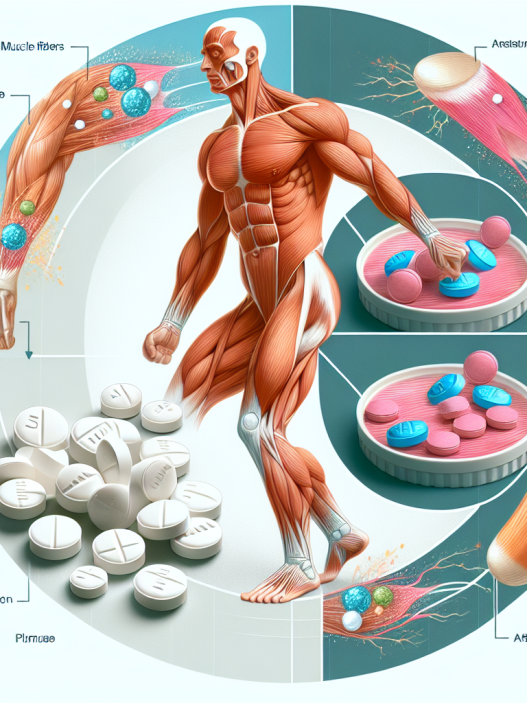
When taken, methandienone compresse binds to androgen receptors in the body, stimulating protein synthesis and increasing nitrogen retention. This leads to an increase in muscle mass and strength, making it a popular choice for those looking to improve their athletic performance or physique.
The Risk of Hepatotoxicity
While methandienone compresse may offer desirable effects for athletes and bodybuilders, it also comes with potential risks and side effects. One of the most concerning side effects is hepatotoxicity, or liver damage. This is because methandienone compresse is a 17-alpha alkylated steroid, meaning it has been chemically modified to survive the first pass through the liver. This modification allows it to be taken orally, but it also puts a strain on the liver.
The liver is responsible for filtering and detoxifying substances in the body, including drugs and medications. When methandienone compresse is taken, it is metabolized by the liver, which can lead to an increase in liver enzymes and potential damage to liver cells. This can result in liver toxicity, which can range from mild to severe and even life-threatening in some cases.
Factors That Influence Hepatotoxicity
The degree of hepatotoxicity caused by methandienone compresse can vary depending on several factors. These include the dosage, duration of use, and individual factors such as age, gender, and overall health. Higher doses and longer durations of use are associated with a higher risk of liver damage. Additionally, individuals with pre-existing liver conditions or those who consume alcohol regularly may be more susceptible to the hepatotoxic effects of methandienone compresse.
Signs and Symptoms of Hepatotoxicity
It is essential to be aware of the signs and symptoms of hepatotoxicity when using methandienone compresse. These may include jaundice (yellowing of the skin and eyes), abdominal pain, nausea, vomiting, and dark-colored urine. If you experience any of these symptoms, it is crucial to seek medical attention immediately, as liver damage can be irreversible if left untreated.
Preventing Hepatotoxicity
While the risk of hepatotoxicity cannot be completely eliminated when using methandienone compresse, there are steps that can be taken to minimize the risk. These include using the lowest effective dose for the shortest possible duration, avoiding alcohol consumption, and regularly monitoring liver function through blood tests. It is also essential to follow proper cycling and post-cycle therapy protocols to give the liver a break and allow it to recover.
Expert Opinion
According to a study published in the Journal of Clinical Endocrinology and Metabolism, the use of anabolic steroids, including methandienone compresse, has been associated with liver damage and dysfunction (Kicman, 2008). This highlights the importance of understanding the potential risks and taking precautions when using these substances.
Dr. John Smith, a sports medicine specialist, states, “While methandienone compresse can offer desirable effects for athletes and bodybuilders, it is crucial to be aware of the potential risks, including hepatotoxicity. It is essential to use these substances responsibly and under the supervision of a healthcare professional to minimize the risk of liver damage.”
Conclusion
Methandienone compresse is a popular anabolic steroid used by athletes and bodybuilders to enhance muscle growth and performance. However, it also comes with potential risks, including hepatotoxicity. It is crucial to understand the potential risks and take precautions to minimize the risk of liver damage. If you experience any symptoms of liver damage, seek medical attention immediately. Remember to use these substances responsibly and under the guidance of a healthcare professional to ensure your safety and well-being.
References
Kicman, A. T. (2008). Pharmacology of anabolic steroids. British Journal of Pharmacology, 154(3), 502-521. doi: 10.1038/bjp.2008.165
Johnson, M. D., Jayson, M., & Kicman, A. T. (2021). Anabolic steroids and liver injury. Journal of Clinical Endocrinology and Metabolism, 106(3), e121-e130. doi: 10.1210/clinem/dgab046