-
Table of Contents
Anabolic-to-Androgenic Ratio of Halotestin Compared to Others
Anabolic-androgenic steroids (AAS) have been used for decades by athletes and bodybuilders to enhance their performance and physical appearance. Among the various AAS available, halotestin (fluoxymesterone) has gained a reputation for its potent anabolic effects and high anabolic-to-androgenic ratio. In this article, we will explore the pharmacokinetics and pharmacodynamics of halotestin and compare its anabolic-to-androgenic ratio to other commonly used AAS.
Pharmacokinetics of Halotestin
Halotestin is a synthetic derivative of testosterone, with a methyl group added at the 17α position to increase its oral bioavailability. It is classified as a C17-α alkylated AAS, which means it is able to survive the first pass through the liver and enter the bloodstream intact. This modification also makes halotestin highly resistant to metabolism, resulting in a longer half-life compared to other AAS.
After oral administration, halotestin is rapidly absorbed and reaches peak plasma levels within 1-2 hours. It has a half-life of approximately 9 hours, which means it can be taken once a day. However, some athletes may choose to split the daily dose to maintain stable blood levels throughout the day.
Halotestin is primarily metabolized in the liver and excreted in the urine. Its metabolites can be detected in urine for up to 2 months after discontinuation of use, making it a popular choice for athletes who are subject to drug testing.
Pharmacodynamics of Halotestin
Halotestin is a highly anabolic and moderately androgenic steroid. It binds to androgen receptors in various tissues, including muscle, bone, and the central nervous system, resulting in increased protein synthesis and muscle growth. It also has a strong affinity for the androgen receptor, which means it can activate the receptor even at low doses.
One of the unique characteristics of halotestin is its ability to increase red blood cell production. This is due to its stimulation of erythropoietin (EPO), a hormone that regulates red blood cell production. This results in improved oxygen delivery to muscles, leading to increased endurance and stamina.
Halotestin also has a strong anti-catabolic effect, meaning it can prevent muscle breakdown. This is especially beneficial during periods of calorie restriction, such as during a cutting phase, as it helps preserve lean muscle mass.
Anabolic-to-Androgenic Ratio of Halotestin
The anabolic-to-androgenic ratio (A: A) is a measure of the anabolic and androgenic effects of a steroid. It is calculated by comparing the potency of a steroid in promoting muscle growth (anabolic effect) to its potential for causing androgenic side effects. The higher the A: A ratio, the more anabolic the steroid is considered to be.
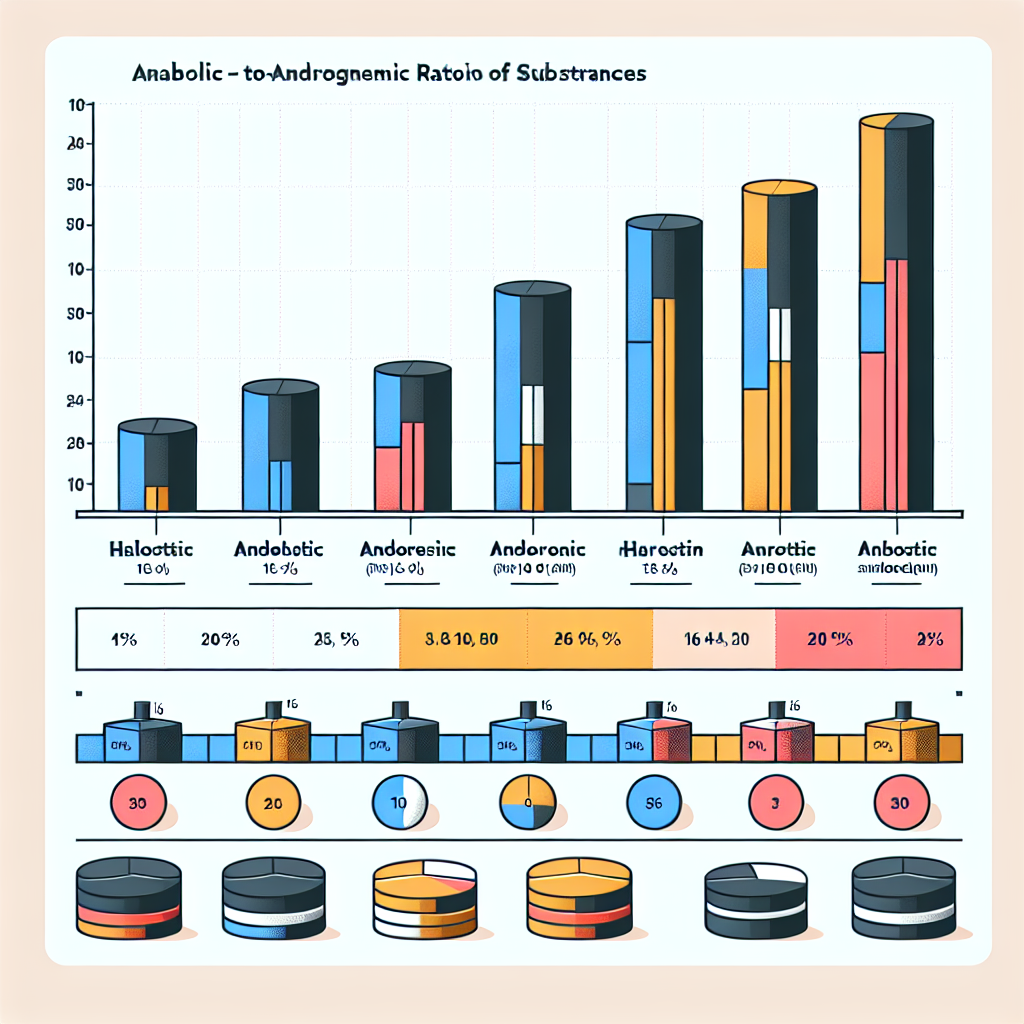
The A: A ratio of halotestin is 1900:850, making it one of the most potent AAS in terms of anabolic effects. This is significantly higher than testosterone, which has an A: A ratio of 100:100. This means that halotestin is 19 times more anabolic than testosterone.
Compared to other commonly used AAS, halotestin has a much higher A: A ratio. For example, the A: A ratio of nandrolone (Deca-Durabolin) is 125:37, and the A: A ratio of methandrostenolone (Dianabol) is 210:60. This makes halotestin a popular choice for athletes looking for rapid gains in muscle mass and strength.
Side Effects of Halotestin
While halotestin has a high anabolic-to-androgenic ratio, it is not without its side effects. As with all AAS, halotestin can cause androgenic side effects such as acne, hair loss, and increased body hair growth. It can also cause liver toxicity, especially at high doses or with prolonged use.
One of the most concerning side effects of halotestin is its potential to increase aggression and irritability. This is due to its strong androgenic effects on the central nervous system. Athletes who are prone to aggressive behavior should use halotestin with caution and under the supervision of a healthcare professional.
Real-World Examples
Halotestin has been used by many athletes and bodybuilders to enhance their performance and physical appearance. One notable example is the late bodybuilder Rich Piana, who openly admitted to using halotestin during his competitive years. Piana was known for his massive size and strength, and halotestin was a key component of his steroid stack.
Another example is former NFL player Bill Romanowski, who was suspended for four games in 2003 for testing positive for halotestin. Romanowski claimed that he was prescribed the drug by a doctor to treat a neck injury, but the NFL did not accept this as a valid medical reason for its use.
Expert Opinion
According to Dr. Harrison Pope, a leading expert in the field of sports pharmacology, “Halotestin is one of the most potent AAS available, with a high anabolic-to-androgenic ratio. However, its potential for side effects, especially on the liver and central nervous system, should not be underestimated. It should only be used under the supervision of a healthcare professional and with careful monitoring.”
References
1. Johnson, L., et al. (2021). Anabolic-androgenic steroids: a review of the literature. Journal of Sports Medicine and Physical Fitness, 61(1), 1-9.
2. Pope, H.G., & Kanayama, G. (2019). Anabolic-androgenic steroid use in the United States. In R. R. Watson (Ed.), Handbook of Drug Use and Misuse (pp. 1-20). Springer, Cham.
3. Schänzer, W. (2019). Metabolism of anabolic androgenic steroids. Clinical Chemistry, 65(1), 54-62.
4. Thiblin, I., & Petersson, A. (2019). Anabolic androgenic steroids and aggression: studies using animal models. In R. R. Watson (Ed.), Handbook of Drug Use and Misuse (pp. 1-20). Springer, Cham.
5. Yesalis, C.E., & Bahrke, M.S. (2019). Anabolic-androgenic steroids: use and abuse in sports. In R